The Art of Indian Mehndi Henna Design: Patterns, Rituals, and Celebrations
Table Of Content

The henna paste is made by grinding henna leaves into a fine powder and mixing it with water, lemon juice, and essential oils. The paste is then applied to the skin using a cone-shaped applicator, allowing the artist to create intricate designs with precision. The paste is left to dry for a few hours, during which the bride is advised to keep her hands still to ensure the design sets properly. It is not just a form of temporary body art but a tradition that is deeply rooted in Indian weddings.
Engagement Ring Trends All Brides are Drooling Over…
Create a smooth henna paste by mixing henna powder with water and a few drops of essential oil. Choose simple patterns like dots, flowers, or basic shapes, and practice on paper before applying on your skin. Use an applicator or cone to carefully draw the design, allowing it to dry for a few hours before gently scraping off the dry paste for a simple mehndi design. For an easy mehndi design, begin by choosing simple patterns like flowers, leaves, or geometric shapes. Apply the henna using a cone or applicator, focusing on uncomplicated designs, and let it dry for a few hours before gently scraping off the dry paste for a quick and easy mehndi design.
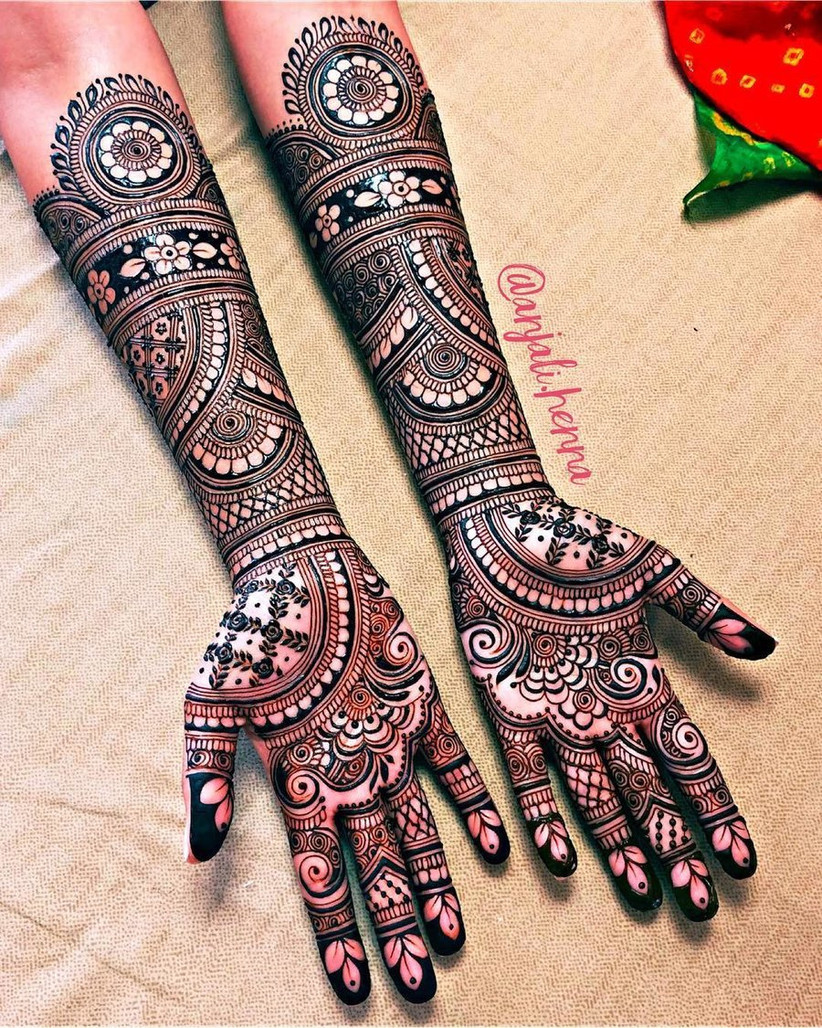
The Cultural Significance of Indian Henna: Mehndi Art and Temporary Body Adornments
Vat Purnima 2023 Mehndi Designs: Latest And Easy Henna Patterns To Celebrate The Auspicious Hindu Festival - SpotboyE
Vat Purnima 2023 Mehndi Designs: Latest And Easy Henna Patterns To Celebrate The Auspicious Hindu Festival.
Posted: Fri, 02 Jun 2023 07:00:00 GMT [source]
As a special touch, she incorporated her groom's name in English, Hebrew, and Urdu. The natural dye of henna has cooling properties, which helps to soothe the bride's nerves and keep her calm during the wedding preparations. It is believed to have a calming effect on the bride's mind and body, preparing her for the big day. In the modern era, mehndi has evolved from a traditional ritual to a global fashion statement. Creative artists are pushing boundaries by blending traditional motifs with contemporary designs, giving rise to a fusion of cultures and aesthetics.
Best Ideas to Plan a Gorgeous Indian Garden…
Cultural symbols embedded within the patterns conveyed stories, blessings, and identity. The cultural significance of Mehndi remains strong, even in contemporary designs. Mehndi is still seen as a symbol of good luck, prosperity, and protection against evil spirits.
Mandala Mehendi Designs for Brides
Intricate motifs meet minimalist trends, and innovation intertwines with time-honored techniques. Watching YouTube videos, reading books, and talking to experts are just a few ways to familiarize yourself with the art form and to get educated enough to be able to do it on your own. Once you've learned the significance of the patterns and symbols and feel confident in a few basic sets, you can then start to practice on your family and friends who are willing.
Contrasting Colors
Savla recommends trying to make your own henna paste so you can get the consistency that works best for you when applying. This also allows you to play with the combination of ingredients to get the best outcome in color, as well as finding a cone shape that works best for you. "When you find your own style, freehand and speed will be on your side, and it will definitely make you stand out from the others."
This tradition gradually ingrained itself into the cultural fabric, becoming an essential part of various festive occasions. The origins of mehndi can be found in ancient Egypt, where evidence suggests that henna was used not only for body adornment but also for its cooling properties in the hot desert climate. Similarly, ancient Indian cultures embraced mehndi as part of rituals and celebrations, with references dating back to the Vedic period. Contemporary Mehndi designs are characterized by their simplicity and minimalism. These designs often feature geometric patterns, abstract shapes, and negative space.
Eid al-Adha Mehndi Design: Latest Mehndi Designs, Arabic Styles and Indian Henna Patterns for Bakrid 2023 - MSN
Eid al-Adha Mehndi Design: Latest Mehndi Designs, Arabic Styles and Indian Henna Patterns for Bakrid 2023.
Posted: Tue, 27 Jun 2023 06:52:16 GMT [source]
Exploring the Global Influence of Indian Henna: From Traditional Art to Modern Trends
These unique takes on henna are influenced by western tattoos, Arabic patterns, and tribal tattoo designs. Perfect for the 21st-century free soul, these designs have a completely eccentric boho look to them, making you look carefree and breezy. If you're sporting multiple outfit changes, as this bride did at her Wes Anderson–inspired wedding in Baja California, make the most of your skin exposure.
Abstract and Artistic Interpretations
These designs also speak to the culture’s rich history and artistry, with variations ranging from delicate floral motifs to ornate geometric shapes. Henna tattoos are commonly applied during special occasions and celebrations, such as weddings, festivals, and religious ceremonies. They are an essential part of Indian weddings, where the bride's hands and feet are adorned with elaborate henna designs. The process of applying henna is seen as a sacred ritual, symbolizing love, prosperity, and the beginning of a new chapter in the bride's life. In addition to its cultural and religious significance, Mehndi art has gained popularity worldwide for its beauty and uniqueness.
The Mehndi ceremony, known as the Mehndi ki Raat, is a joyous occasion where family and friends come together to celebrate the upcoming wedding. The bride and her female relatives and friends gather to have their hands and feet adorned with Mehndi, while singing traditional songs and performing dances. Speaking of occasions, Indian henna tattoos are an integral part of many traditional celebrations and rituals. The bride and her female relatives and friends gather for a henna ceremony, where intricate designs are applied to their hands and feet. This ceremony is not only a way to celebrate the upcoming wedding but also a way to bring good luck and blessings to the bride.
These designs are known for their simplicity, grace, and the use of negative space, creating a timeless and beautiful look. In recent years, mehndi has gained popularity not only in India but also in other parts of the world. It is now a common sight to see mehndi artists at weddings, festivals, and cultural events. Mehndi has become a form of self-expression and a way to celebrate one's cultural heritage. It is a beautiful art form that brings people together and adds a touch of elegance to any occasion.
The designs can range from traditional Indian motifs to contemporary patterns, allowing individuals to customize their tattoos to suit their personal style. The art of applying henna tattoos has been passed down through generations, with each design carrying its own unique meaning. The patterns often include intricate floral motifs, geometric shapes, and symbols that represent fertility, good luck, and protection against evil spirits. The designs are not only aesthetically pleasing but also hold a deeper spiritual significance. The mehndi ceremony is an integral part of Indian weddings and is usually held a day or two before the wedding. It is a joyous occasion where the bride, her female relatives, and friends come together to celebrate and adorn their hands and feet with intricate henna designs.


Comments
Post a Comment